Quick Answer
Kava backlinks are links from relevant, real websites that point to a kava bar or kava brand. They matter because kava businesses often get little help from paid ads, and search engines treat links from trusted, topically related pages as a sign of authority. The safest approach is a steady flow of contextual links on wellness, beverage, and lifestyle sites, written in compliant language that avoids health claims, pointed at the right pages with natural anchor text, and checked for indexing and real traffic.
Written and reviewed by the ALT Placements editorial team. We place contextual links for botanical, alternative wellness, and restricted-industry brands every week, so this guide reflects what we see working, and failing, across the campaigns we manage. Updated to reflect current search behavior and platform rules.
Kava backlinks are one of the few growth levers a kava bar or kava brand fully controls. Paid ads for botanical relaxation drinks can be unpredictable, social reach rises and falls with every algorithm change, and most general marketing agencies do not understand why a single careless health claim can sink a piece of content. This guide covers link building only: what a kava link building service should include, how a campaign runs from audit to reporting, how to vet a provider, which compliance limits shape the content around your links, and what results are realistic.
What Kava Backlinks Are and Why This Niche Needs Them
A backlink is a link from another website to yours. Search engines use links as one of many signals for deciding which pages deserve to rank, and a link from a page that is about something close to your business carries more weight than a random link from an unrelated site. If you want a refresher on the mechanics, our explainer on how backlinks work and why they matter covers the basics.
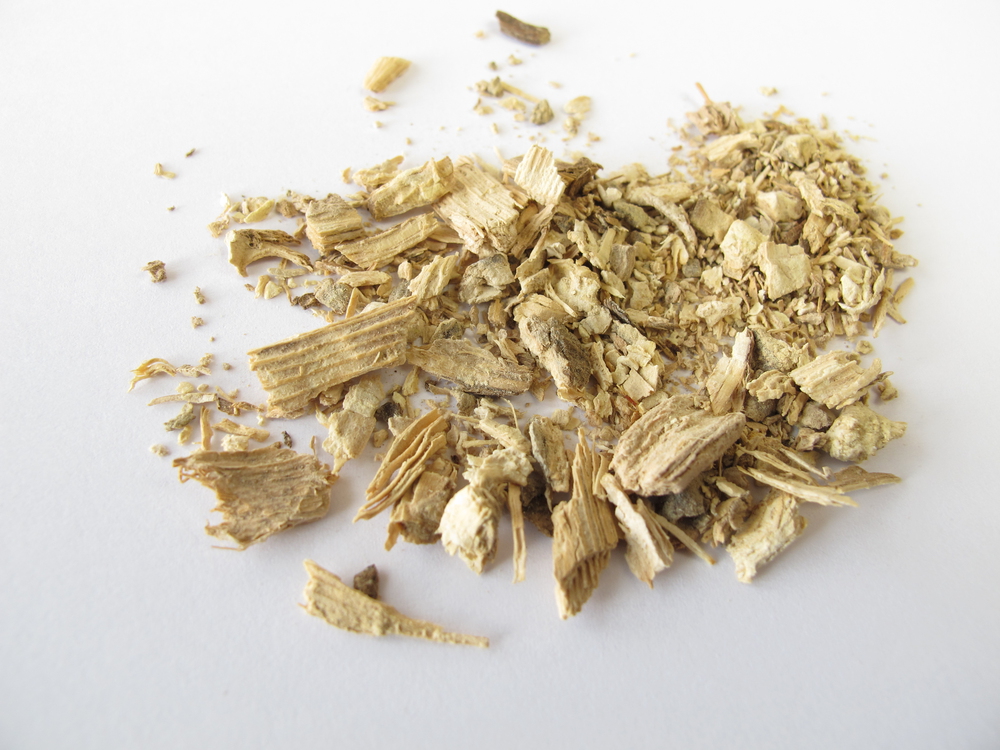
For kava businesses, links do a specific job. Kava is a drink made from the root of Piper methysticum, a plant with deep cultural roots across the Pacific Islands, and it has moved into kava bars, ready to drink shots, powders, and capsules in other markets. That growth has created competition for searches like “kava bar near me,” “buy kava powder,” and “what does kava taste like.” The businesses that win those searches usually have two things in common: useful pages on their own site, and a body of relevant links that tells search engines those pages are trusted.
Relevance is the heart of it. A kava brand with links from wellness publications, beverage blogs, sober curious lifestyle sites, and Pacific culture resources looks like a legitimate member of its category. A kava brand with links from casino directories and expired foreign news domains looks like it bought its way in. Our deeper guide on building niche relevant backlinks explains why topical fit beats raw domain metrics, and the same principle applies with extra force in a botanical category that search engines already watch closely.
Why kava sits in a harder position than most beverages
Kava is not coffee. It is a psychoactive botanical, and public health agencies have published safety information about it. The U.S. National Center for Complementary and Integrative Health notes in its kava safety overview that kava products have been linked to rare but serious liver injury, and that the evidence for anxiety relief is mixed. That context shapes how platforms review kava content, how editors respond to pitches, and how careful your link content needs to be.
In practice, this means three things for link building. First, many mainstream publishers will not accept kava content at all. Second, the publishers who will accept it expect responsible, non-medical language. Third, any link vendor that writes “kava cures anxiety” in a placement is creating risk for your brand rather than reducing it.
The Compliance Limits That Shape Kava Link Content
Every link sits inside a piece of content, and that content represents your brand even when it lives on someone else’s site. The rules below are not legal advice. They are the guardrails we apply across the campaigns we manage, based on primary sources, and you should confirm current rules for your products and markets with qualified counsel because botanical regulations change.
The most important background fact is regulatory attention to liver safety. A CDC report in its Morbidity and Mortality Weekly Report described cases of severe liver injury associated with kava-containing dietary supplements, referenced an FDA consumer advisory on the potential risk of kava products, and noted that several countries restricted kava sales. Markets also differ sharply. In England, for example, the Kava-kava in Food (England) Regulations prohibit selling, advertising for sale, or importing food that consists of or contains kava-kava. A brand that ships internationally needs content that does not invite buyers from places where the product cannot legally be sold as food.
| Content area | What we write | What we avoid |
|---|---|---|
| Effects | Cultural use, flavor, social setting, how people describe the experience in general terms | Claims that kava treats, cures, or prevents anxiety, insomnia, pain, or any disease |
| Safety | Neutral reminders to read labels, avoid mixing with alcohol, and talk to a clinician | “Completely safe,” “no side effects,” or dismissing liver concerns |
| Alcohol comparisons | Kava bars as an alcohol-free social option | Claims that kava is a treatment for alcohol dependence or a recovery tool |
| Driving and impairment | Encouraging responsible use and planning transport | Suggesting kava never affects coordination or alertness |
| Geography | Placements aimed at markets where you legally sell | Content inviting orders from regions with food bans or import limits |
| Other botanicals | Separate, carefully reviewed content for any other products on your menu | Bundling kava with other botanicals in one breezy listicle that blurs their legal status |
That last row matters for kava bars in particular. Many bars carry more than kava, and other botanicals can sit under entirely different, fast-moving rules. We keep link content for each product line separate so a problem with one category does not bleed into your core kava pages.
What a Kava Link Building Service Should Include
A kava link building service is not just “a number of links per month.” When you compare providers, the deliverables tell you far more than the headline count. Here is what a complete engagement covers, and what you should expect to receive at each stage.
| Deliverable | What it includes | Why it matters for kava |
|---|---|---|
| Link profile audit | Review of existing referring domains, anchor text, toxic or irrelevant links | Many kava sites inherit spammy links from cheap past campaigns |
| Target page map | Which pages receive links: homepage, location pages, product categories, guides | Bars need local pages ranked, brands need category and product pages ranked |
| Anchor text plan | A natural mix of branded, URL, partial match, and descriptive anchors | Repeating “best kava” anchors looks manufactured |
| Human-written content | Original articles written to each host site’s topic and audience | Compliance review keeps health claims out of content tied to your brand |
| Placement on relevant sites | Contextual links inside the body of wellness, beverage, and lifestyle content | Topical fit is what moves rankings in a narrow niche |
| Indexing checks | Confirmation that host pages are indexed by search engines | An unindexed page passes little or nothing |
| Reporting | Placement dates, indexing status, and content snippets | Lets you see what was done without exposing the network to footprinting |
If a proposal skips the audit, the page map, or the anchor plan, it is selling inventory rather than a strategy. You can see the kind of writing we place in our sample placement content.

How a Kava Backlink Engagement Runs
Good link building is boring in the best way. It follows a repeatable process, it moves at a steady pace, and it leaves a clear paper trail. Here is how we run kava campaigns from the first call to ongoing reporting, and you can read a shorter overview of how our placement process works on the homepage.
Step 1: Discovery and fit
We start by understanding the business. Is it a single kava bar, a multi-location lounge group, a direct-to-consumer kava brand, or a wholesaler? Which markets do you sell into? Which pages make money? What other botanicals are on the menu? These answers decide which sites are relevant and which content angles are safe.
Step 2: Audit the existing link profile
We review referring domains and anchor text to find problems before adding anything new. Kava sites often carry leftovers from earlier campaigns: forum signature links, directory blasts, or links from unrelated sites. Some of these are harmless noise. Others are patterns worth addressing before a new campaign amplifies them.
Step 3: Map target pages and keywords
Links should flow to pages that deserve to rank and can convert. For a kava bar, that is usually the homepage and location pages. For a kava brand, it is category pages such as kava powder or kava shots, plus evergreen guides like “how to prepare traditional kava.” We pair each target page with a realistic set of search terms.
Step 4: Write and review content
Our writers produce original articles that suit each host site’s topic, such as a piece on alcohol-free nightlife for a lifestyle blog or a guide to Pacific beverage traditions for a culture site. Every draft goes through a compliance read that removes treatment language and keeps safety statements neutral.
Step 5: Place, index, and verify
Links go into the body of the content, in context, on a consistent delivery schedule rather than in random bursts. We then confirm that each host page is indexed, because a link on a page search engines never see does almost nothing.
Step 6: Report and adjust
Reports list placement dates, indexing status, and the snippet surrounding each link. Host URLs stay private to protect the network from the footprinting that has damaged so many public link schemes. We recommend comparing rankings and organic traffic for the target pages every few months and shifting anchors or targets if something is lagging.
How We Evaluate Kava Backlink Opportunities
Not every site that will accept a kava article deserves one. Our methodology rejects far more opportunities than it accepts, and the criteria below are the same ones we apply in every restricted niche. The guide on what separates high-quality backlinks from filler goes deeper on each factor.
| Quality factor | What a good kava link looks like | Warning sign |
|---|---|---|
| Topical relevance | Wellness, beverage, nightlife, sober curious, travel, or Pacific culture content | A kava post next to loan, betting, and crypto articles |
| Real audience | Organic traffic that holds steady or grows over time | High metrics with no organic visitors |
| Editorial standards | Consistent, readable articles with real authors and topics | Spun text, mixed languages, or “write for us” pages for every niche |
| Link placement | In the body, surrounded by relevant sentences | Footer, sidebar, or author bio only |
| Outbound link hygiene | Few outbound links per post, pointing to reputable sources | Dozens of commercial links on every page |
| Indexing | Host page indexed and discoverable | Large sections of the site missing from search results |
We also look at the content around the link. A kava link inside a thoughtful article about alcohol-free social spaces sends a cleaner signal than the same link squeezed into a generic “ten trends” list. Context is what turns a link into a topical vote.

Kava Bars and Kava Brands Need Different Link Strategies
The phrase “kava backlinks” covers two very different businesses. A kava bar competes in a small radius against a handful of venues. A kava brand competes nationally or internationally against online retailers. Treating them the same wastes budget.
Link building for kava bars
Kava bars live and die on local search. Google explains in its guide to local ranking that local results are based mainly on relevance, distance, and prominence, and that prominence draws on information such as how many websites link to your business and how many reviews you have. Links will not overcome distance, but they do influence how strong your business looks next to nearby competitors. Useful links for a bar include local event and nightlife coverage, city lifestyle blogs, alcohol-free social guides, community organization pages, and relevant wellness content that mentions your city. Location pages for multi-venue groups need their own link support, since one strong homepage does not automatically lift every location.
Link building for kava brands
Brands selling powders, shots, extracts, or teas compete for product and informational searches. Their links should point to category pages and helpful guides, and the content should come from wellness, beverage, and lifestyle sites with national reach. Product pages often benefit indirectly, through internal links from guides that earn external links first.
| Factor | Kava bar | Kava brand |
|---|---|---|
| Primary search goal | Local and “near me” searches | Product, category, and how-to searches |
| Main link targets | Homepage and location pages | Category pages and evergreen guides |
| Best host topics | City lifestyle, nightlife, events, alcohol-free social guides | Wellness, beverages, botanicals education, Pacific culture |
| Supporting work | Business profile, reviews, consistent citations | Technical site health, product schema, internal linking |
| Common mistake | Chasing national links that never mention the city | Pointing every link at the homepage with the same anchor |
Anchor Text and Target Pages for Kava Sites
Anchor text is the clickable wording of a link. It tells search engines what the linked page is about, which is why aggressive exact match anchors were abused for years and why search engines now treat repetitive anchors with suspicion. A natural kava profile is dominated by brand names and plain URLs, with a smaller share of descriptive phrases such as “traditional Vanuatu kava” or “alcohol-free kava lounge in Tampa.”
Across the campaigns we manage, the most common anchor problem we inherit is not too few keyword anchors. It is too many. A brand that has used “buy kava online” as the anchor for a large share of its links has created a pattern no editor would produce naturally. We fix that by diluting with branded and descriptive anchors over time rather than trying to remove everything at once.
Target pages matter just as much. Sending every link to the homepage leaves your category pages and guides without support. A better spread puts most links on the pages you most want to rank and lets your internal links carry authority onward to product pages.
How to Evaluate a Kava Link Building Provider
The kava niche is small, so you will meet the same handful of providers again and again, along with generic link sellers who will place anything for anyone. These questions help you tell them apart.
Questions to ask before you sign
- Where will my links appear? You should hear specific topics and site types, not just a metric threshold.
- Who writes the content, and who reviews it for compliance? Ask how they handle health claims for botanicals.
- How do you confirm indexing? A provider should check and report it, not assume it.
- What does a report contain? Expect dates, indexing status, and content snippets.
- What happens when I stop? Some networks keep placements live only during an active subscription. Know the terms before you start.
- What do you guarantee? A credible provider guarantees process and quality, not rankings. Our onboarding and quality guarantee is an example of the difference.
Red flags
- Promises of first page rankings, permanent links, or a fixed traffic number.
- Bursts of links from unrelated, unvetted sites with no schedule or plan behind them.
- Content that makes medical claims about kava, or that they refuse to show you.
- Sites with no real traffic, open “write for us” pages for every niche, or obvious recycled networks. Our breakdown of how footprint-heavy private blog networks fail shows what to look for.
- No questions about your markets, products, or legal constraints.

What Results Are Realistic, and How Long They Take
Links work slowly and cumulatively. In our experience, the first weeks of a kava campaign are mostly about getting placements indexed and letting search engines recrawl your pages. Movement on lower competition terms, such as long tail informational queries or a bar’s city plus “kava,” often comes before movement on broad commercial terms. Competitive national terms for kava products take longer and depend heavily on your on-site content and technical health.
We do not publish ranking promises because no honest provider can make them. Results depend on your starting authority, the strength of competing sites, the quality of your pages, and changes in how search engines rank results. What you can reasonably expect from a well-run campaign is a steady rise in relevant referring domains, more of your target pages entering the top results over time, and organic traffic that grows as those pages climb. You can track this yourself with the methods in our guide on how to check backlinks and referring domains.
Signals worth watching
- Indexing rate of new placements.
- Impressions in Search Console for target pages, which usually move before clicks do.
- Rankings for long tail and local terms.
- Organic sessions and conversions on the pages you linked to.
The Honest Limitations of Kava Link Building
Links are not a cure for a weak website. If your product pages are thin, your site is slow, or your bar has no reviews, links will not carry you. We tell kava clients this upfront because it saves months of frustration.
There is also a policy point every buyer should understand. Google’s spam policies treat buying or selling links for ranking purposes as link spam, and they ask that paid links carry a qualifying attribute such as rel=”sponsored.” Any form of placed link carries some level of policy risk, and you should weigh that before choosing a provider. Our article on whether you should buy backlinks lays out the trade-offs plainly. We reduce risk by keeping content genuinely useful, keeping placements relevant and paced, and never using the footprint-heavy tactics that attract manual action, but we do not pretend the risk is zero.
A few other limits are specific to kava:
- Smaller host pool. Fewer publishers accept kava content than coffee or tea content, so campaigns scale more slowly.
- Health sensitivity. Content must stay neutral and avoid treatment language, which limits some angles that would perform well in other niches.
- Market differences. Rules vary by country and sometimes by city, so content cannot be written once and used everywhere.
- Local ceiling. For kava bars, proximity and reviews often outweigh links in the map pack.
“In a botanical niche, the content around a link matters as much as the link itself. One careless health claim on a host page can undo the trust a dozen careful placements have built.”
ALT Placements
Who Kava Link Building Is Right For, and Who Should Wait
A good fit
- Kava bars with a solid website, a claimed business profile, and steady reviews that want to outrank nearby venues.
- Kava brands with useful category pages and guides that are stuck below larger retailers.
- Businesses that understand compliance and want content that will not embarrass them.
- Owners willing to commit for several months rather than expecting a quick spike.
Not yet a fit
- Sites with major technical problems, such as broken indexing or very slow pages, that need fixing first.
- Businesses that want medical claims in their marketing. We will not write them.
- Brands selling into markets where the product cannot be lawfully sold as food.
- Anyone looking for guaranteed rankings in a set number of weeks.
What Makes ALT Placements Different
We built ALT Placements because restricted-industry brands were being sold the same recycled networks and spun content that get sites penalized. Our network is private, which means the sites are not listed in public marketplaces where anyone can buy a post. Our content is written by people, not generated in bulk, and it is reviewed for each niche’s compliance limits. Placements are contextual, paced, and checked for indexing, and reports show what was done without exposing host URLs to the public.
| Approach | Typical kava link vendor | ALT Placements |
|---|---|---|
| Site selection | Public marketplaces, mixed niches | Private network of niche authority sites |
| Content | Bulk or spun articles | Human-written, compliance-reviewed articles |
| Health language | Often makes benefit claims to sound persuasive | Neutral, non-medical language only |
| Pacing | Unplanned bursts from whatever sites are available | Scheduled delivery on a set plan, on relevant sites only |
| Indexing | Assumed | Checked and reported |
| Guarantees | Rankings promises | Onboarding and quality guarantee, no ranking promises |
About ALT Placements
ALT Placements is a private network of niche authority websites that helps businesses in cannabis, psychedelics, vape, tobacco, cigars, and alternative wellness, including kava bars and kava brands, build high-quality, contextual backlinks. All content is human-written, indexed, and placed naturally to drive real traffic and improve search rankings. The network is fully managed, private, and scalable, built for long-term authority growth in restricted industries.
Kava is a niche we definitely serve. We understand the cultural context, the safety sensitivities, and the way platforms treat botanical products, and we write and place content with those limits in mind. You can learn more about ALT Placements and our network.
How Kava Backlinks Fit a Broader Search Strategy
Links amplify what is already on your site. They work best when the rest of your search strategy is in place.
On-site content
Build pages that answer what kava customers actually search: how to prepare traditional kava, what to expect at a kava bar, the difference between noble and other kava varieties, and how to read a product label. Keep this content factual and non-medical. Strong guides attract natural links on their own and give placed links a worthy destination.
Technical health
Make sure product and category pages load quickly, are indexable, and use clear internal links. Age gates, if you use them, should not block search engines from crawling your content.
Local presence for bars
Keep your business profile complete, respond to reviews, post events, and keep your name, address, and phone consistent across listings. Links strengthen a local presence. They do not replace one.
Measurement
Tie link work to outcomes. Track rankings and traffic for the specific pages you linked to, not just the site as a whole, so you can see which parts of the campaign are paying off.
Frequently Asked Questions
Are kava backlinks different from regular backlinks?
The mechanics are the same, but the context is not. Kava backlinks need hosts that are relevant to wellness, beverages, or lifestyle, and the content around them must avoid health claims. A generic link vendor rarely accounts for either, which is why niche-specific campaigns tend to be safer and more effective.
Can a kava bar rank locally with links alone?
No. Local rankings depend heavily on your business profile, reviews, and proximity to the searcher. Links help your website compete with nearby venues and support location pages, but they work alongside local signals rather than replacing them.
Is it safe to mention kava’s effects in link content?
You can describe cultural use, flavor, and the social setting in general terms. Avoid claims that kava treats or prevents any condition, and do not downplay safety concerns. Public health bodies have published information on rare but serious liver injury, so neutral, responsible language protects your brand.
How many kava backlinks do I need?
There is no fixed number. It depends on how strong competing sites are and how competitive your target terms are. A steady pace of relevant placements, reviewed every few months against rankings and traffic, is more useful than chasing a target count.
Do placements stay live forever?
With ALT Placements, placements stay live while your subscription is active. Any provider that promises permanent links is promising something no one controls, since sites change over time.
Should kava brands sell internationally through content links?
Only into markets where the product can be lawfully sold. Rules differ widely, and some jurisdictions, such as England, prohibit selling food that contains kava-kava. Aim content at your legal markets and confirm current rules with counsel.
Will you write content about other botanicals my kava bar sells?
We review each product line separately. Some botanicals carry different and fast-changing rules, so we handle them in their own content rather than mixing them into kava placements. Talk to us about your full menu before a campaign starts.
Should backlinks to our kava bar use our name or phrases like ‘kava bar near me’?
Mostly your bar’s name, your URL, and natural phrases like your neighborhood or a kava bar in your city. Exact-match phrases repeated across many links look engineered and add risk without much benefit, because local rankings lean heavily on your Google Business Profile, proximity, and reviews. Keep descriptive anchors to the few spots where they read naturally. Send local links to your location page or homepage and topical links to your guides.
Are kava bar directories and ‘find a kava bar’ maps worth getting listed on?
The reputable ones are, though more for visibility and consistent business details than for link power. Make sure your name, address, phone, and hours match your Google Business Profile exactly on each one. Skip directories that list anyone for a fee, are flooded with unrelated businesses, or have no real users, since they add little. A few well-kept niche directories plus local chamber or tourism listings cover most of the value.
Can a kava bar actually get local news or blog coverage when most people have never heard of kava?
The unfamiliarity is the hook. Local reporters and bloggers cover new and unusual venues, so pitch an opening, a first-in-the-area angle, a cultural event tied to Pacific Island traditions, or a community fundraiser. Offer a short, accurate explainer of what kava is and how it’s traditionally served, without effect claims, so writers have something solid to quote. One genuine local news link usually does more for a bar’s authority than a stack of directory listings.
Should a kava brand chase links from kava-specific sites or from broader food and lifestyle sites?
Both, in different roles. Kava-specific sites send the most relevant signals and qualified readers, but there are few of them, so that pool runs dry quickly. Broader food, beverage, travel, and Pacific culture publications widen your link profile and reach curious newcomers, as long as the content genuinely relates to kava. Steer clear of generic wellness sites that would push the copy toward health claims, and keep every placement contextual rather than a sidebar or footer link. That mix is how we approach kava campaigns at ALT Placements.
Conclusion: Build Kava Authority the Patient Way
Kava backlinks work when they look like the links a respected kava business would earn on its own: relevant hosts, useful content, neutral language, natural anchors, and a steady pace. They fail when they come from recycled networks, carry health claims, or arrive in bursts that no real brand would attract. The difference shows up in rankings, and it shows up in how much risk your brand carries.
If you run a kava bar or a kava brand and want link building that respects both search engines and the safety sensitivities of your category, we can help. Compare our placement plans and start building authority that lasts.